
This is How we Farm.
We live in a relationship with the land. It’s give and take, not take and take more. That’s a dead end. We care for it and it feeds us, all of us. Does it take more work to do it this way? It sure does. But it’s work that has value. Elmwood Stock Farm is an ecosystem, a cast of players—plants, microbes, cows and chickens, wildlife, people—that we organize into a harmony. With a little luck (it never hurts), the end result is savory, nutritious food on your plate.
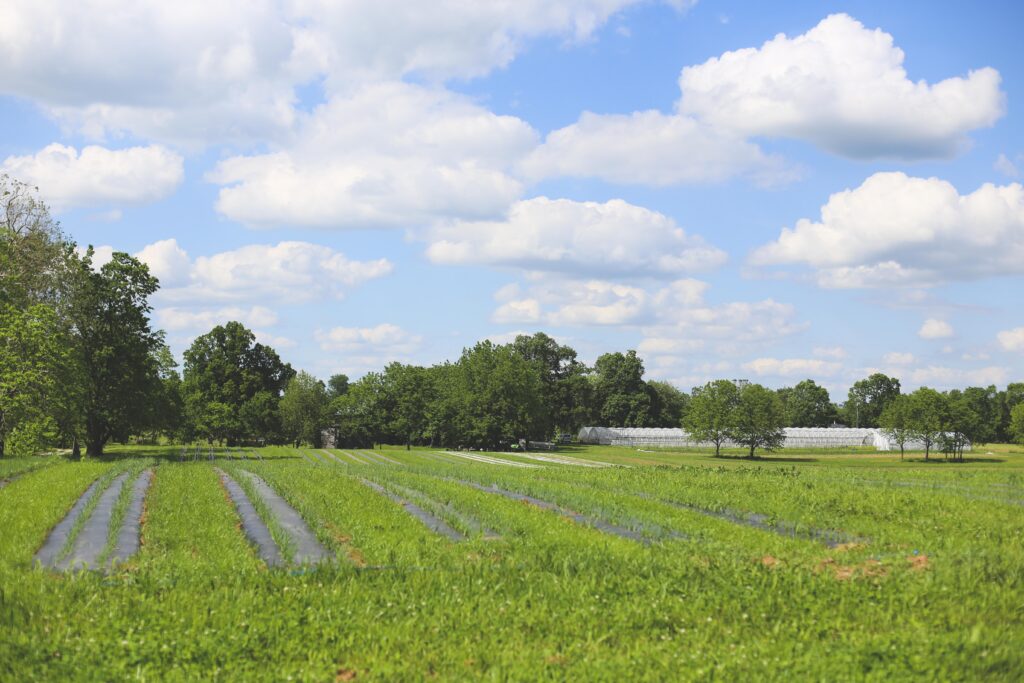
Regenerative Farming: Goodness Grows
Regenerative agriculture means working with the land and not against it, as much as possible. Humanity has seen the folly of trying to impose our will on nature. It’s a losing game. Healthy plants grown in healthy soil are more resilient to pests, so naturally enriching the soil with rotational grazing and cover crops means we use less pesticides.
Growing produce both organically and regeneratively is not easy or cheap. But we know that natural farming practices means better food and a more resilient planet, which we’re happy to choose time and time again.

What Regenerative Farming Looks Like at Elmwood:
Soil Health
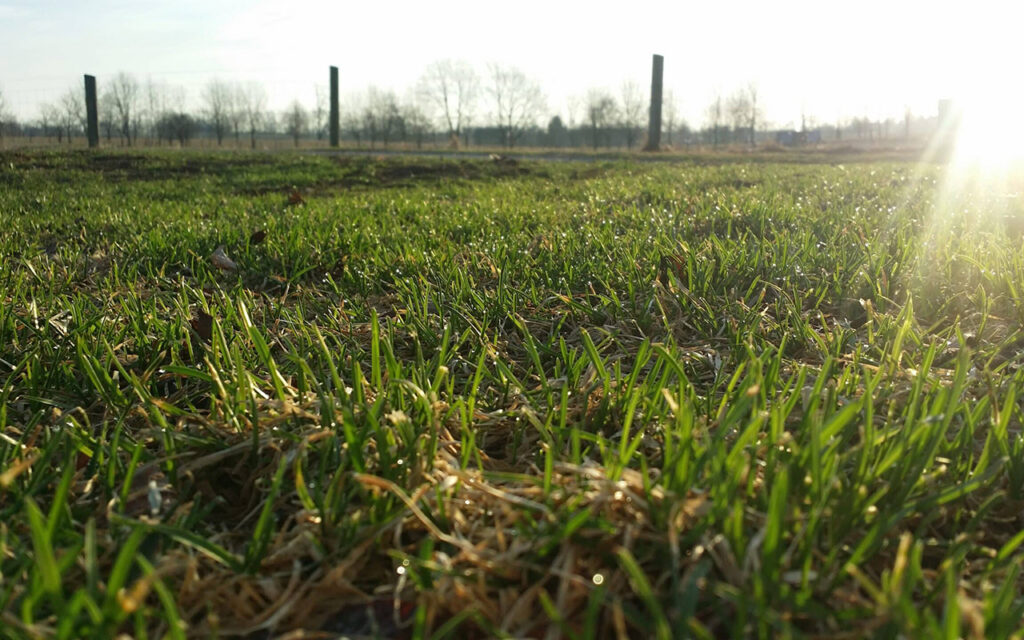
Everything starts with the soil. Healthy soil is alive—a habitat full of critters that make it possible for plants to grow and thrive.
Modern farming practices can treat soil as something to extract from, pulling nutrients away faster than they can be replaced. We believe the opposite: the soil is something to care for. Through cover crops, crop rotation, grazing, and careful observation, we work to restore and improve the health of the land beneath our feet.
Over generations, we’ve learned that healthy soil grows healthier plants. Cover crops feed the life in the soil while protecting it from erosion, weeds, and pests. It takes patience, experimentation, and a willingness to keep learning—but the payoff is a farm that becomes more resilient with every season.
Crop Diversity
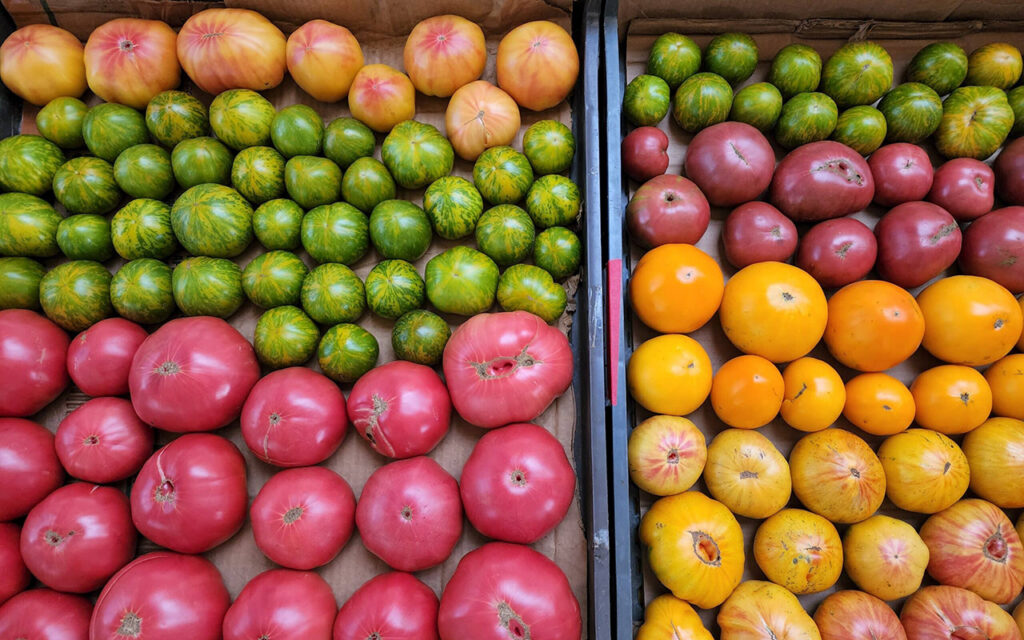
Nature doesn’t grow just one thing, and neither do we. We don’t grow one crop for a large corporate buyer – we grow food to feed our community. We pay attention to what thrives here on the banks of the Elkhorn and what our members and customers are excited to cook at home.
Growing a wide variety of crops takes more planning and more time. We read industry research, experiment with new varieties, and listen closely to the people who eat our food. The result is healthier soil, fewer pest pressures, and produce chosen for flavor—not just for how well it travels across the country.
Animal Care
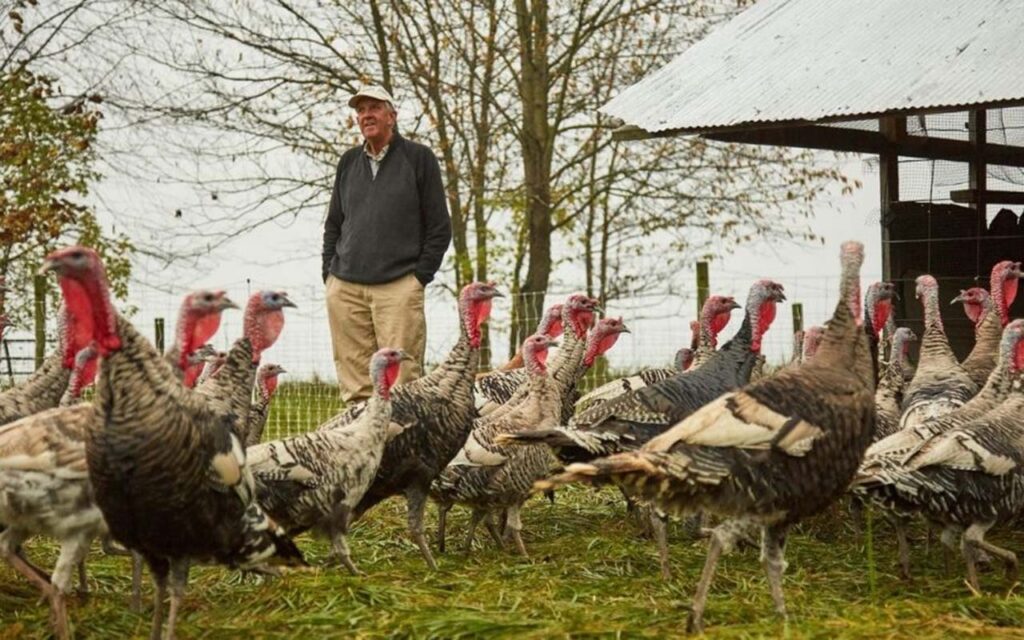
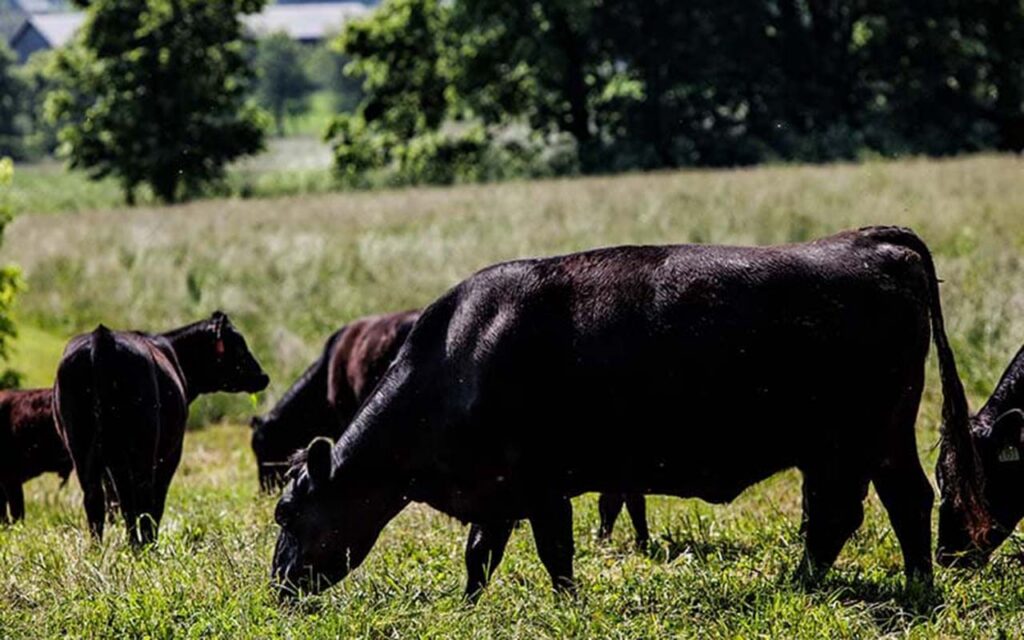
Berkshire pigs that have room to roam, root in the dirt for tasty snacks and build mud holes. Chickens and turkeys raised outdoors on pasture with a diet of wholesome, organic grains enriched by forages, fresh air, exercise and sunlight. Cows and sheep born here and grazed through hundreds of acres of pastures for more than 850 days.
We believe caring for animals well is simply the right thing to do. But it also makes sense from a farming perspective. Animals raised on natural, forage-based diets contribute to the health of the land, returning nutrients to the soil and helping create a more complete farm ecosystem. The result is food raised with integrity—and flavor you can taste.
Rotational Grazing
We rotate our animals across hundreds of acres of pasture so fields have time to rest and recover. Rested fields grow more nutritious forage, resist erosion, and do a better job of handling pests naturally.
Our animal and crop rotation plans are carefully designed around what each part of the farm needs. With an eight-year rotation cycle and generations of experience watching this land, we’ve developed a deep understanding of how to work with each acre.
Biodiversity
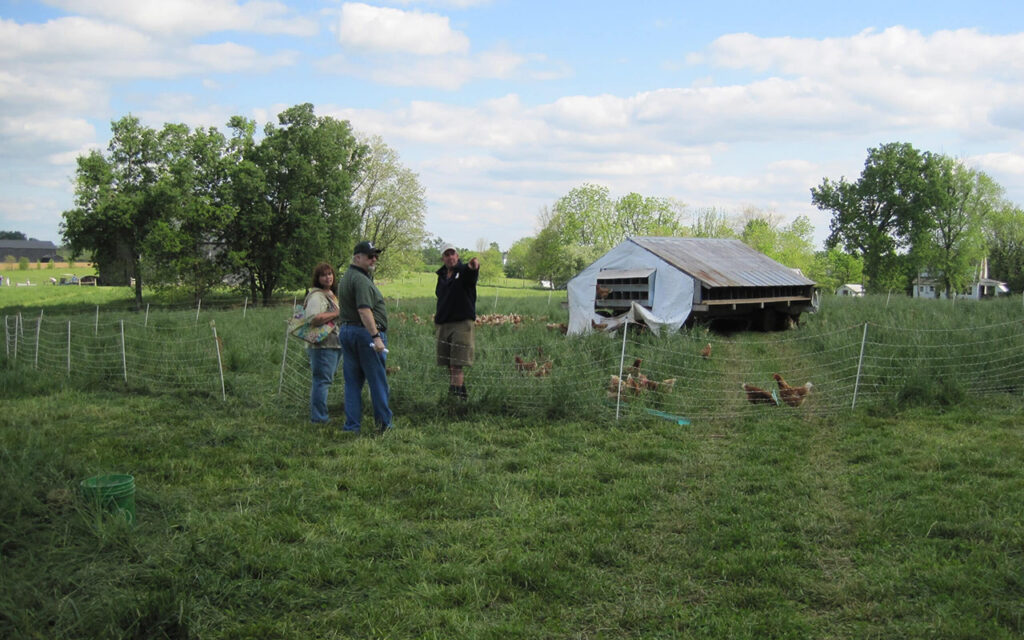
Promoting biodiversity is a tenet of organic agriculture, so we try to keep wildlife out of harm’s way and let them fill their niche in our ecosystem. For example, local coyotes have developed a taste for sweetcorn (not to mention the chickens). So, we use electric netting to dissuade them, which helps us all coexist. And they do keep the mice, vole, and rabbit populations down, for which we’re grateful!
Responsible Stewardship
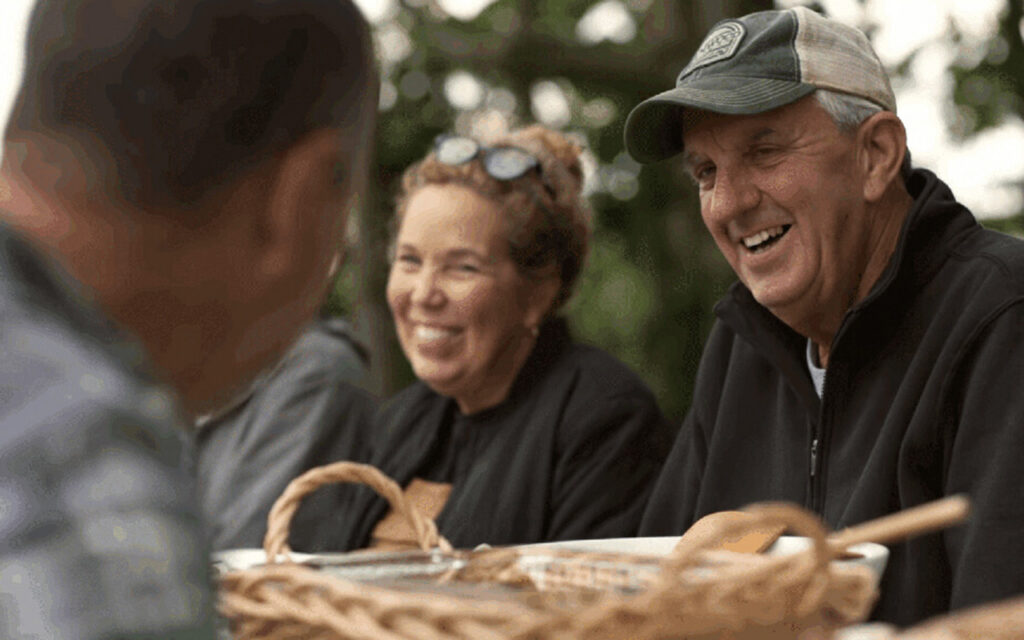
Soil health, animal and crop rotation, biodiversity—these are all components of a responsible stewardship of the land. We don’t take the blessing of these fertile acres for granted. Being stewards also means giving back and sharing knowledge from our experiences so up and coming farmers can get a good footing. That can mean speaking engagements, farm tours or appearing on farming-related podcasts. We think when people understand what’s at stake, they naturally cherish the land and its bounty as much as we do.
The Difference you can Taste
Food grown with care tastes different. We grow what thrives here in Central Kentucky and what our members love to eat—not what’s easiest to ship or store. The result is seasonal food with more flavor, raised with the intention of nourishing the people who enjoy it.
And the benefits go beyond taste. Thoughtful farming practices help create food that reflects the health of the land it comes from, including nutrient-rich crops and pasture-raised meats.
Most importantly, we’re farming for the future. By working with nature and caring for this land today, we’re helping ensure that it remains healthy and productive for the next generation of Elmwood farmers.
FAQ
How do you raise your animals?
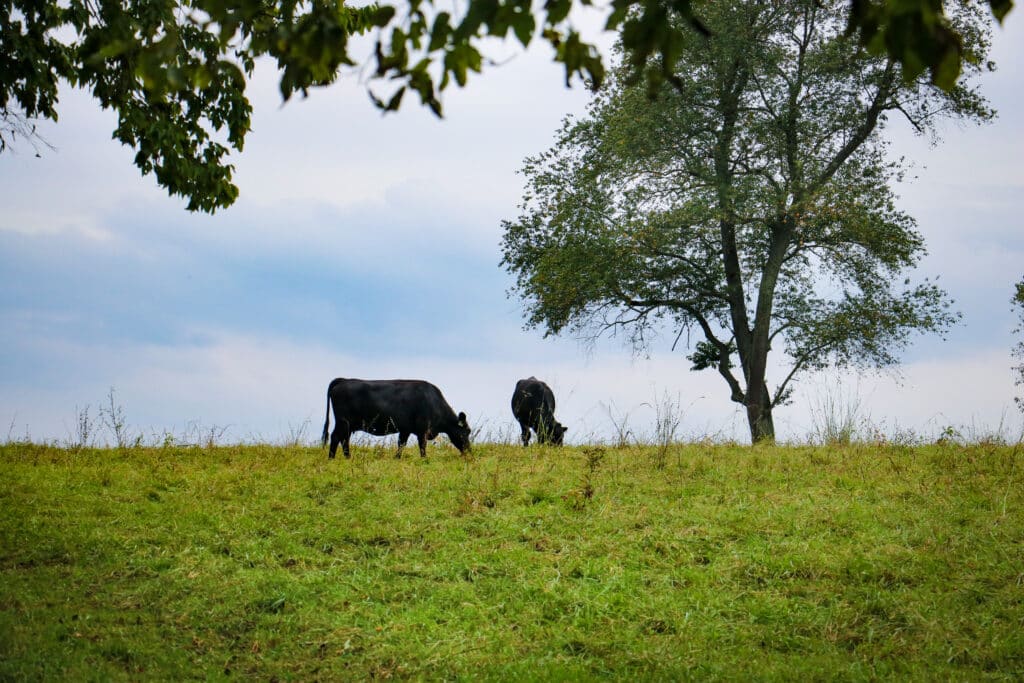
Our animals are raised on nearly 400 acres of prime Central Kentucky soil at Elmwood Stock Farm. They are fed no antibiotics, hormones or steroids, ever. All of our animals live outdoors and are rotated through fresh pastures regularly. The nutritional benefits of organic, pasture-raised meats are many, including lower saturated fats and omega-6 to omega-3 ratios and higher levels of vitamins, protein and collagen. (Read this summary from Food Animal Concerns Trust, along with their bibliography of studies.)
What’s the benefit of organic, regenerative farming practices?
Regenerative agriculture—farming that regenerates, restores and improves soil health and prioritizes healthy ecosystems—means we work with the land and not against it. It’s also a core principle of organic farming, which we consider a win win. Healthy soil produces forage that’s more resilient to pests and more nutritious for our animals. Which means it’s more nutritious for you.
Why do you only sell what’s in season?
Superior quality and taste. We do use season-extending growing techniques, such as floating row cover, a greenhouse and high tunnels, to offer a wide range of items earlier in the spring and later in the fall. And we grow a few vegetables, such as kale and collard greens, year-round. Product availability expands throughout the growing season and varies depending on how the season’s weather is shaping up.
Is your food USDA certified organic?
Yes. Every step of our animal-care and crop-growing process is outlined via our Organic Systems Plan, which is updated each year to maintain our USDA organic certification.
What’s the Real Organic Project?
The Real Organic Project is a certification that recognizes farms practicing organic agriculture with a focus on soil health, animal welfare, and true stewardship of the land. It goes beyond the basic USDA Organic standards by verifying that farms are using practices like growing crops in healthy soil and raising animals with meaningful access to pasture.
At Elmwood, our Real Organic Project certification is proof that we go the extra mile to produce food that’s good for people and the planet. It reflects the way we’ve always farmed: working with nature, caring for the land, and raising food with integrity.
Are pasture-raised meats more nutritious?
A 2009 USDA study found grass-fed beef to be higher in total omega-3s, beta-carotene, vitamin E, thiamin, riboflavin, calcium, magnesium, potassium, and CLA (cis-9 trans-11), a potential cancer fighter. It was found to be lower in total fat and lower in heart disease-associated saturated fats. It’s just one example, but it holds across all the food we grow at Elmwood.
What’s the difference between grass-fed and grass-finished beef?
Grass-fed means cattle eat grass as part of their diet, but it doesn’t always mean they eat only grass. Some grass-fed cattle are finished on grain before harvest.
Grass-finished means cattle spend their entire lives eating a forage-based diet of grasses and other plants. At Elmwood, our cattle are both grass-fed and grass-finished—they graze on pasture throughout their lives and are never finished on grain.
Why does that matter? Cattle are ruminants that naturally thrive on forage-based diets, and keeping them on pasture supports healthier animals, healthier soil, and a more balanced farm ecosystem. It takes more time and care to raise beef this way, but we believe the result is food with integrity—from a farm that works with nature, not against it.
We're an Open Book
We like to think you can tell how natural our produce is just by look and taste. But if you’d like to kick the tires and see for yourself, we welcome the curious out to our Scott County farm at various times throughout the year so you can see how we move with the seasons.