
Trips to the local rock quarry always come with some degree of trepidation and exhilaration. After all, this IS where the big dogs run in packs. As if I weren’t self-conscious enough in my red one-ton dually flatbed for these trips with a little 16’ tagalong trailer, this particular trip had me in a tan half-ton Ford with matching camper top which made my dinky trailer look big. The truck sits so low when I pulled on the scale to weigh empty, I could only open the door a few inches because of the massive steel guardrail edging the scale. I squirmed out to go inside to tell them what I wanted, not making eye contact with the driver behind me whom was probably laughing and rolling his eyes. As I tried to stand tall and walk with confidence, I approached the dispatcher lady who without looking up, mashed out her cigarette in an overflowing ashtray and asked what I wanted. When I said sand, we both felt the oxygen rushing out of the room.
In a hushed manner she said “Jennifer, (long pause) he wants sand.” Jennifer magically appeared from a back office, recognized me, and informed me they do not sell sand to outsiders. Had she seen my truck? She went on to say they have trouble getting enough sand for their own asphalt plant, so they keep all they get for themselves. When she realized I only needed a small amount considering what I was driving, she politely asked what I needed sand for? I told her the man I found to repair the plaster in the ceiling of our 1930s farmhouse asked me to get him a half-ton to mix with mortar for the job. You could see the relief in her eyes as she said their sand was not suitable for that application and sent me to a block and brick yard in Lexington. Squeezing back into my truck, I already knew I would go back to the farm to get my big truck for my first foray to a different quarry where nobody knows me.
I had heard sand as a commodity is in short supply which is baffling to me, but a ten second google search confirmed the women at the quarry were right. I talked to a guy out the Old Frankfort Pike that confirmed yes, they have mortar quality sand that they can load on my trailer, which seems way better than paying big money for a bunch of bags at Lowes, not to mention the thrill of visiting another quarry and running amongst another pack of big dogs not knowing my way around.
Plaster repair professionals seem to be in short supply as well. With a referral from a long-time customer, my guy is eighty-seven years old and has been working plaster since he was a kid. When he and his son came to look at the job, I could tell I was in the presence of greatness. A gentle soul with a big smile, he skillfully climbed the stepladder to get a closer look. I didn’t care how much he was going to charge me, I wanted the opportunity to work with this man, and I would get him good sand.
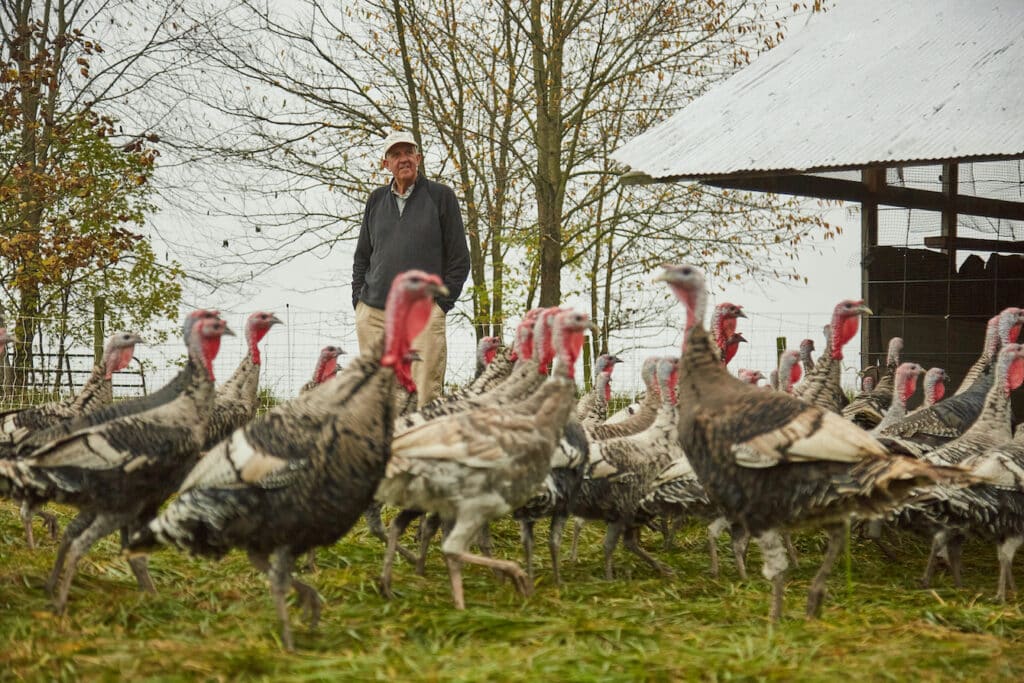
Driving back to the farm to swap trucks, it was not lost on me the similarities between the quarry business and most types of agriculture. Probably about 99 to 99.5 percent of produce operations in North American do not sell to outsiders that they don’t have contracts with, nor do they want dinky trucks driving around. They certainly don’t want to be asked many questions about how they do what they do, and they are not going to offer tours. In fact, turkey farms and pig farms I have visited make you take a shower before they let you go inside the barns to protect the animals. For sure you would want to take another shower upon exiting. This is true even for the workers on some big operations.
Small farms like ours are more like the plaster man, perhaps running the risk of becoming relics of the past. Managing multiple crops and tending to livestock though the seasons is hard work. Long hours are put in, and the worse the weather, the longer the tasks take. We have honed our skills over the years much like our plaster man. But these days, there are not many young plaster men or women looking for work, that I could find at least.
Similarly, there are few young men and women looking to do the type of farming that we do. The capital outlay for land and infrastructure can be cost prohibitive and competing in a cheap food policy culture is often daunting. We are grateful for the partnerships with our CSA members, customers, and community that allows us to sustain our organic farm over the years and grow opportunities for young men and women to learn the needed skills of running their own farms in the future.
Whether plowing or plastering, we are in it for the long haul. I like to think such professions as gems, not relics, no matter how few and far between they are these days. —Mac Stone