
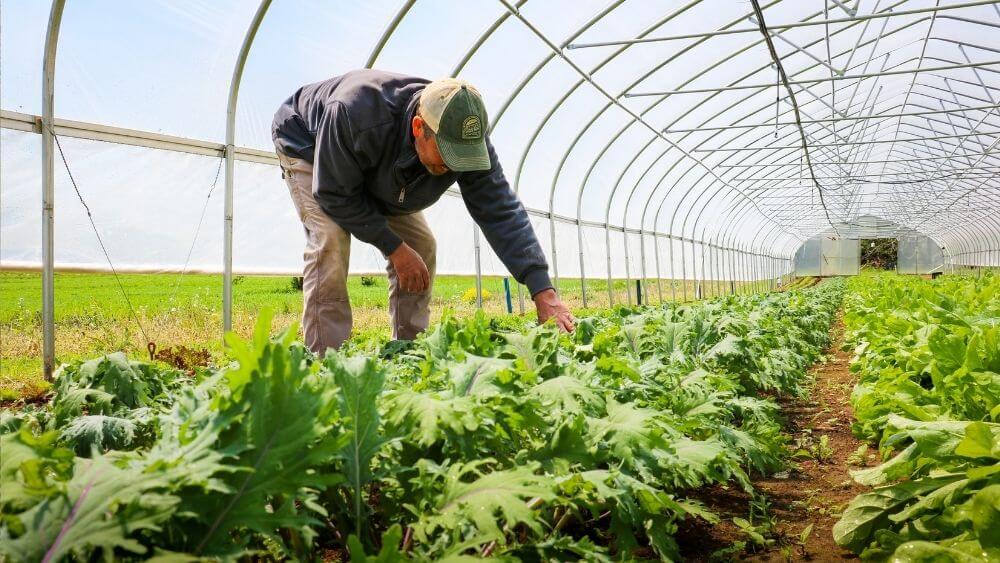
Hey, guys. John here.
As a farmer, the weather can literally make us frustrated or happy on a daily, or hourly, basis – depending on how you choose to see it. The effects of weather and climate don’t spare you either, as our community.
So, where are all the tomatoes, you might be wondering?
As the seasons evolve, we seem to experience milder winters, earlier springs, and extended falls. But our actual growing season has not changed.
- Fall seems to be warm into late November, yet we still consistently have a killing frost in mid-October every year.
- We might have a warmer March and April, but May 10th is still our safe planting date.
- We might even start early. If the extended forecast looks favorable around May 1st, we like to get started planting our major summer crops like tomatoes, peppers, squash, and beans.
That wasn’t the story this year, however. We actually delayed planting summer crops because of a cold snap in the forecast around May 10th. As frustrating as that delay was, we’re very glad we were patient. On May 9th, we had a low of 28 degrees Fahrenheit. That was a freeze, not a frost.
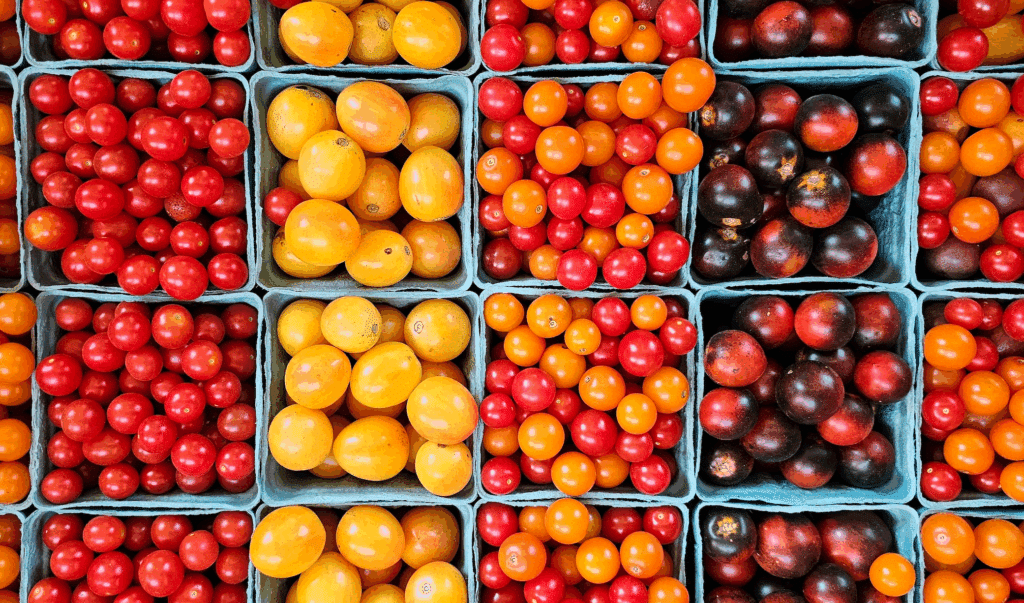
We would have lost everything if it wasn’t still in the greenhouse. We were then further delayed by an extended monsoon following that cold front. Having late tomatoes this year is frustrating, but better than no tomatoes. We all know better than to defy Mother Nature.
While modern technology has helped us to farm more efficiently, yet still similar to our forefathers—we will always be at Mother Nature’s mercy. But by being so diverse, we have the opportunity to always be happy about some aspect of the weather, even if we’re a little frustrated with another. —John Bell
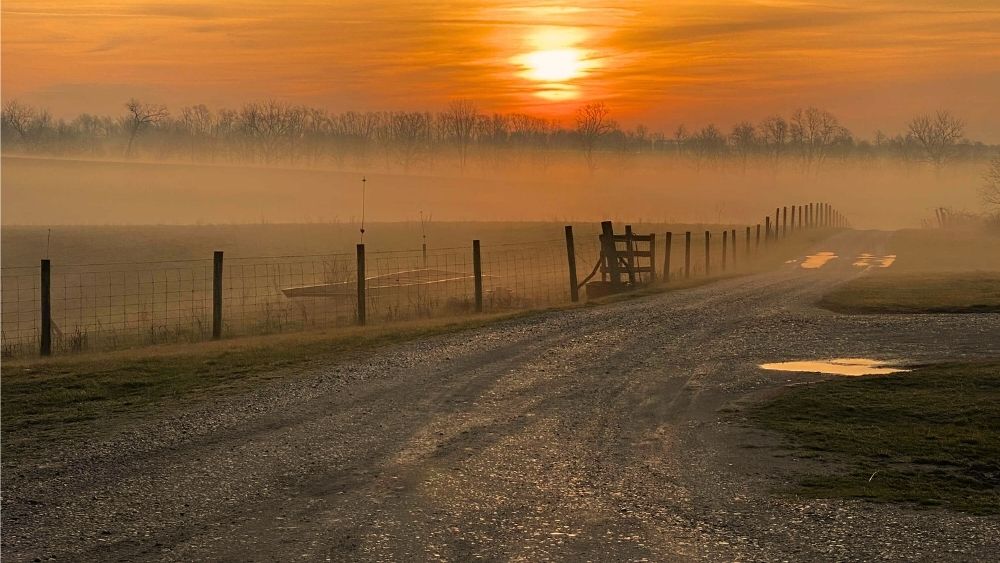
At Elmwood, we have frost-blankets that we use on our row crops, plus about a 3/4 acre of high-tunnels. Despite this, the vast majority of our crop production happens out in the fields, and at the mercy of Mother Nature. What does farming in the elements really mean, for production, for quality, and for you?
Those of us who work the vegetable and flower fields (Emery, David, Chito, and I) go to bed checking weather apps, and do it again when we wake up. I personally have six different apps, even though I only check three regularly.
The weather determines much of our day, and each crop responds differently to different conditions.
- In the summertime, we harvest leafy items in the cool of the morning and the hardy vegetables (like squash or tomatoes) in the dry of the afternoon.
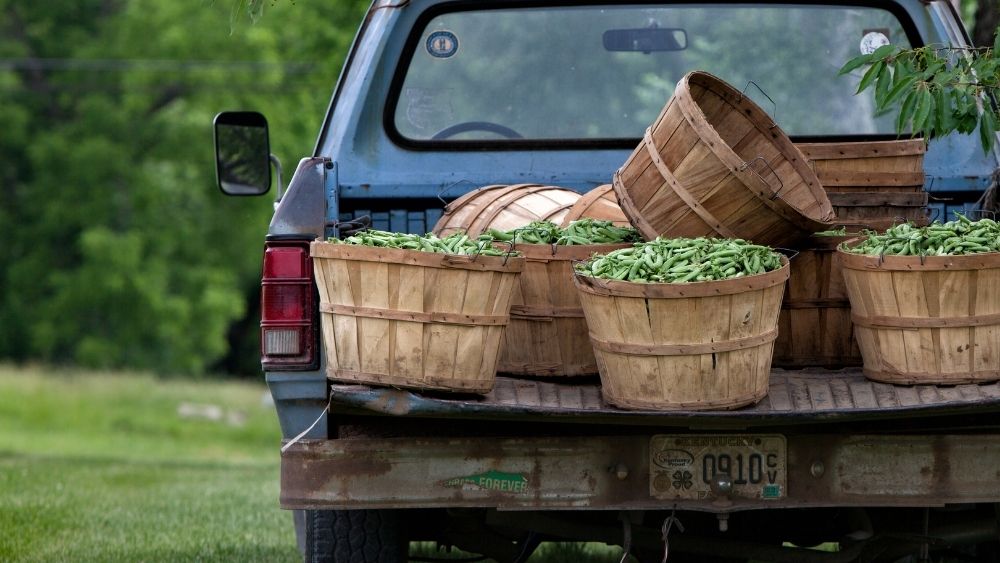
- We try not to harvest peas, beans, or tomatoes in the rain—the water can spread disease or cause spots. But sweet potato slips like to be planted in the rain, not the dry.
- We need the winter freeze to kill insects and mellow the soil, but it’s obviously a bugger to work in.
One of the benefits of being a diverse production farm: there is usually something benefiting from whatever the weather is giving us.
- A lot of rain might mean fruit is less flavorful, weeds grow tall, and the fields can wash. But the pros: rain brings a ton of forage for our livestock. So, I can be a grumpy produce farmer but a happy cattle farmer—depending on which I choose.
- A dry spell might come. If it does, our irrigation system actually allows me a greater degree of control over the water the crops receive, so it’s actually a little easier to grow healthy vigorous produce. But we will likely be short of summer grazing and winter hay, which is very stressful when you have a lot of grass-fed livestock. So I’m a happy produce farmer, but a stressed cattle farmer.
As a farmer, the weather can literally make you frustrated or happy on a daily basis—depending on how you choose to see it.