
If you’re hesitant to try lamb—or tend to think of it only as a center-of-the-plate entrée—we’d love to reframe that. If you enjoy cooking with beef, there’s every reason to feel confident cooking with our grass-fed lamb. It’s approachable, versatile, and deeply satisfying—especially in a comforting, savory Shepherd’s Pie. Read on for the recipe and discover how seamlessly lamb can step into your favorite dishes.
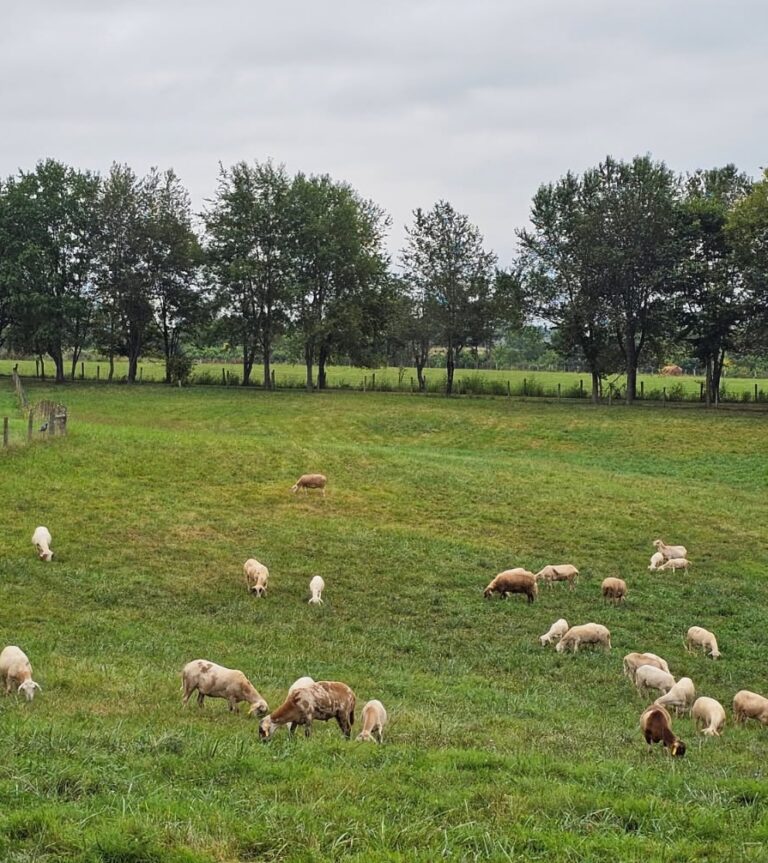
And if you’re selective about meat in general, that’s something we respect. The way livestock are raised matters—not just for flavor, but for soil health, farm sustainability, and overall food quality. Our flock plays a central role in our whole-farm regenerative system. Through rotational grazing—moving from pasture to pasture—animals naturally fertilize the soil and prepare fields for future crops.
As they graze, sheep trim pasture plants evenly, encouraging strong regrowth in perennial grasses. They also eagerly consume the flowers and seed heads of fast-growing weeds, helping manage plant pressure without synthetic chemical herbicides. What some farms view as a weed problem, we view as part of a balanced ecosystem—one our grazing program helps steward naturally.
Why Grass-Fed Matters
Sheep are ruminants, biologically designed to thrive on grasses, legumes, and forage. Their multi-chambered digestive systems are built to extract nutrients from plant material. Diets high in grain can disrupt that system, potentially leading to metabolic stress and diminished meat quality.
When we say grass-fed, we mean it. Our Dorset/Katahdin flock grazes on fresh pasture, and that diet translates directly into both nutritional value and flavor. Grass-fed lamb offers:
A favorable omega-6 to omega-3 ratio
Higher levels of beneficial fatty acids like CLA
Increased antioxidants
A nutrient profile reflective of diverse, healthy forage
The result is meat that is both nourishing and clean-tasting.
About The Fantastic Flavor
Mineral composition, forage diversity, and fat quality all contribute to taste. Grass-fed lamb raised on well-managed pasture tends to have a clean, mildly herbaceous flavor—sometimes described as carrying natural notes reminiscent of rosemary or sage, even without those herbs in the recipe.
Some people avoid lamb because they have been told it may have a rustic wild flavor. But that flavor is often misunderstood.
The strong flavors people associate with wild game—like elk, boar, or pheasant—typically come from a combination of intense physical activity and a highly variable wild diet. In pasture-based farming, animals are raised in a stable environment with a consistent, curated forage mix. That controlled diet influences the flavor in a positive way.
The key is balance: thoughtful grazing management, healthy soil, and a diet aligned with the animal’s biology. When those pieces are in place, the result is tender, flavorful lamb without the heavy or overpowering qualities people fear.
A Comforting Way to Try Lamb Meat
Shepherd’s Pie is the perfect introduction. The richness of lamb blends beautifully with savory vegetables and creamy mashed potatoes, creating a familiar and deeply comforting dish. If you love the heartiness of beef-based comfort food, you’ll likely find lamb brings an added depth and subtle brightness to the table.
We’re proud to offer grass-fed, pasture-raised, USDA-certified organic lamb that reflects our commitment to regenerative farming and exceptional flavor. We hope you’ll experience the difference for yourself—starting with this classic, comforting recipe.
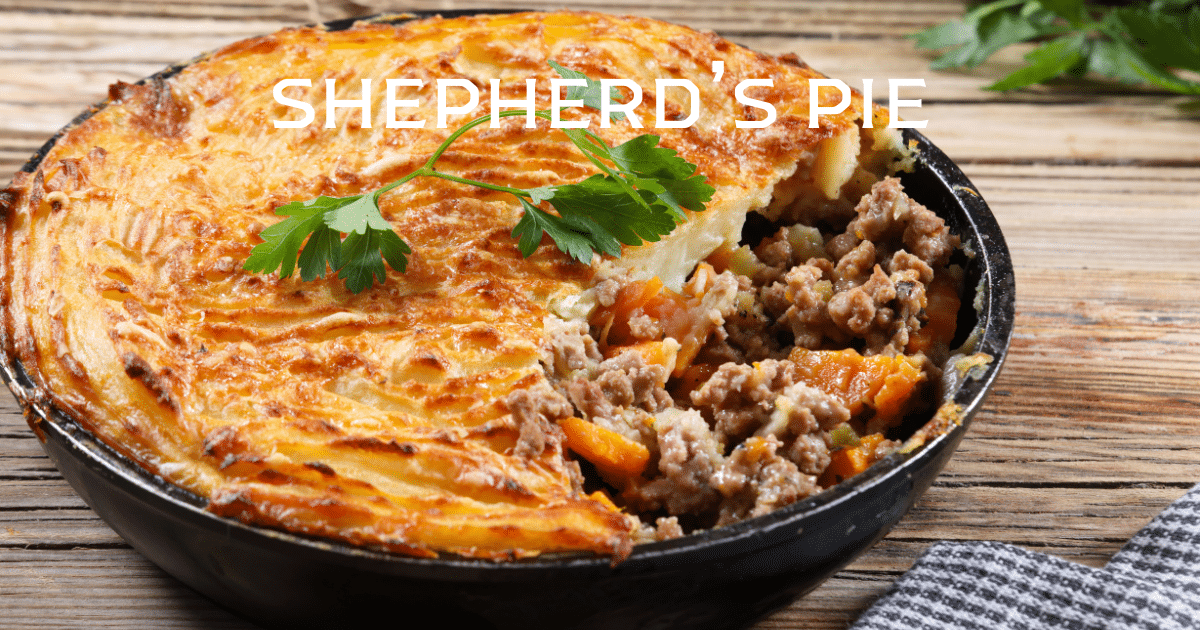
Shepherd’s Pie
Ingredients
- 2 tablespoons olive oil
- 1 cup chopped yellow onion
- 1 lb. Elmwood Stock Farm organic ground lamb (or ground beef – either works)
- 2 teaspoons dried parsley leaves
- 1 teaspoon dried rosemary leaves
- 1 teaspoon dried thyme leaves
- 1/2 teaspoon salt
- 1/2 teaspoon ground black pepper
- 1 tablespoon Worcestershire sauce
- 2 garlic cloves, minced
- 2 tablespoons all purpose flour
- 2 tablespoons tomato paste
- 1 cup organic beef broth
- 1/2 cup peas
- 1/2 carrots, sliced into coins
- 1/2 cup corn kernels
Potato Topping
- 1 ½ – 2 lb. russet or white potatoes (about 2 large potatoes) peeled and cut into 1 inch cubes
- 8 tablespoons unsalted butter (1 stick)
- 1/3 cup half & half
- 1/2 teaspoon garlic powder
- 1/2 teaspoon salt
- 1/4 teaspoon ground black pepper
- 1/4 cup parmesan cheese
Directions
- Add the oil to a large skillet and place it over medium-high heat for 2 minutes. Add the onions. Cook 5 minutes, stirring occasionally.
- Add the ground lamb (or ground beef) to the skillet and break it apart with a wooden spoon. Add the parsley, rosemary, thyme, salt, and and pepper. Stir well. Cook for 6-8 minutes, until the meat is browned, stirring occasionally.
- Add the Worcestershire sauce and garlic. Stir to combine. Cook for 1 minute.
- Add the flour and tomato paste. Stir until well incorporated and no clumps of tomato paste remain.
- Add the broth, peas, carrots, and corn. Bring the liquid to a boil, then reduce to simmer. Simmer for 5 minutes, stirring occasionally.
- Set the meat mixture aside. Preheat oven to 400°F.
Make the potato topping
- Place the potatoes in a large pot. Cover the potatoes with water. Bring the water to a boil. Reduce to a simmer. Cook until potatoes are fork tender, 10-15 minutes.
- Drain the potatoes in a colander. Return the potatoes to the hot pot. Let the potatoes rest in the hot pot for 1 minute to evaporate any remaining liquid.
- Add butter, half & half, garlic powder, salt, and pepper. Mash the potatoes and stir until all the ingredients are mixed together.
- Add the parmesan cheese to the potatoes. Stir until well combined.
Assemble the casserole
- Pour the meat mixture into a 9×9 (or 7×11) inch baking dish. Spread it out into an even layer. Spoon the mashed potatoes on top of the meat. Carefully spread into an even layer.
- If the baking dish looks very full, place it on a rimmed baking sheet so that the filling doesn’t bubble over into your oven. Bake uncovered for 25-30 minutes (your oven should already be preheated to 400°F). Cool for 15 minutes before serving.
If you’re interested in learning more about our multi species regenerative farming system, or trying one of our many lamb products for yourself, visit our site where we put all the details for you.